
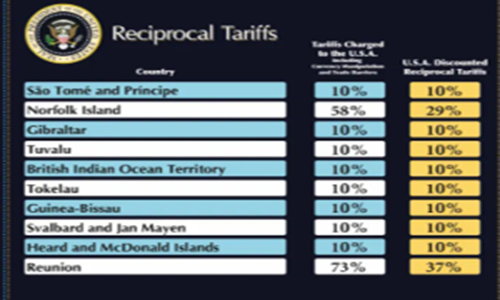

The Duty 10% Tariff Policy of the United States: Economic Impact and Global Reactions
In recent years, the United States has increasingly relied on tariffs as a central tool of trade policy. One of the most debated measures has been the implementation of a 10% tariff on a broad range of imported goods. These tariffs, expanded during the administration of Donald Trump, marked a significant shift in U.S. trade strategy and sparked widespread discussion among economists, businesses, and international partners.
Background of the 10% Tariff
Tariffs are taxes imposed on imported goods. The primary goal of the 10% tariff policy was to protect domestic industries, reduce trade deficits, and encourage companies to manufacture products within the United States. Under the “America First” trade agenda, the U.S. government introduced tariffs on a wide range of goods, particularly targeting imports from China.
The administration argued that certain countries had engaged in unfair trade practices, including intellectual property violations and currency manipulation. By imposing tariffs, the U.S. sought to pressure trading partners into renegotiating trade agreements.
Economic Effects
The economic consequences of the 10% tariff have been complex and sometimes controversial. Supporters argue that tariffs helped revive parts of the American manufacturing sector and strengthened national economic security. Certain industries, such as steel and aluminum, experienced short-term protection from foreign competition.
However, critics contend that tariffs increased costs for American businesses and consumers. Since importers often pass additional costs onto customers, prices for goods such as electronics, machinery, and household products rose. Many economists noted that tariffs can act as a tax on domestic consumers rather than solely on foreign producers.
Additionally, retaliatory tariffs imposed by other countries affected U.S. exports. American farmers, in particular, faced challenges when foreign markets reduced purchases of agricultural products in response to U.S. trade measures.
Global Trade Relations
The 10% tariff policy contributed to escalating trade tensions, especially between the United States and China. The situation developed into a broader trade conflict that disrupted global supply chains and increased uncertainty in international markets.
Trade organizations, including the World Trade Organization, became central forums for disputes regarding tariff policies. The global business community expressed concerns that prolonged tariff battles could slow economic growth worldwide.
Long-Term Implications
The long-term effects of the 10% tariff policy remain a subject of debate. Some analysts argue that it reshaped global supply chains, prompting companies to diversify manufacturing locations beyond China. Others suggest that tariffs alone are not sufficient to rebuild domestic industry without broader investments in infrastructure, technology, and workforce development.
What is clear is that the 10% tariff policy represented a turning point in U.S. trade policy, signaling a move toward more protectionist measures after decades of promoting free trade agreements.


