


U.S. Inflation Rises as Expected Amid Iran Conflict and Trade Pressures
U.S. inflation increased in February largely in line with economists’ expectations, reflecting rising energy costs and lingering effects from recent trade policies. The latest data suggests that price pressures remain persistent, particularly as geopolitical tensions and supply disruptions affect global markets.
According to estimates ahead of the official report, the Consumer Price Index (CPI) rose about 0.3% in February compared with the previous month, while the annual inflation rate remained around 2.4%, unchanged from January. Core inflation—which excludes volatile food and energy prices—was expected to increase by 0.2% on a monthly basis, indicating moderate underlying price pressures.
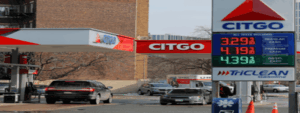
One of the key drivers of the increase has been higher gasoline prices, which surged as tensions escalated in the Middle East following military actions involving the United States, Israel, and Iran. Oil prices temporarily climbed above $100 per barrel, pushing U.S. gasoline prices up more than 18% to roughly $3.54 per gallon in recent weeks.
Economists warn that the geopolitical conflict could lead to further inflationary pressures in the coming months. The disruption of oil supplies and shipping routes in the region has increased uncertainty in global energy markets. Some forecasts suggest that if oil prices remain elevated or continue to rise, inflation could accelerate later in the year.
Trade policies have also contributed to price pressures. Tariffs introduced during the recent trade disputes have increased costs for some imported goods, and businesses have gradually passed those costs on to consumers. Although some tariffs have been legally challenged or overturned, their effects are still filtering through supply chains.
Despite the uptick in inflation, the U.S. Federal Reserve is expected to keep interest rates unchanged in the short term, as policymakers assess the impact of energy prices, geopolitical risks, and overall economic conditions. However, rising inflation risks could complicate future decisions about rate cuts.
Overall, while inflation remains relatively moderate by historical standards, the combination of geopolitical tensions, energy market volatility, and trade-related costs could keep price pressures elevated in the months ahead.


